The Philippines has more than 7,000 islands and a surf season that depends on typhoon swells and the two monsoons rather than the steady Indian Ocean swell that feeds Indonesia. The north-east monsoon, or Amihan, blows from roughly November to March, while the south-west monsoon, or Habagat, runs from about June to October and brings much of the typhoon swell. Which coast works depends on which way it faces.
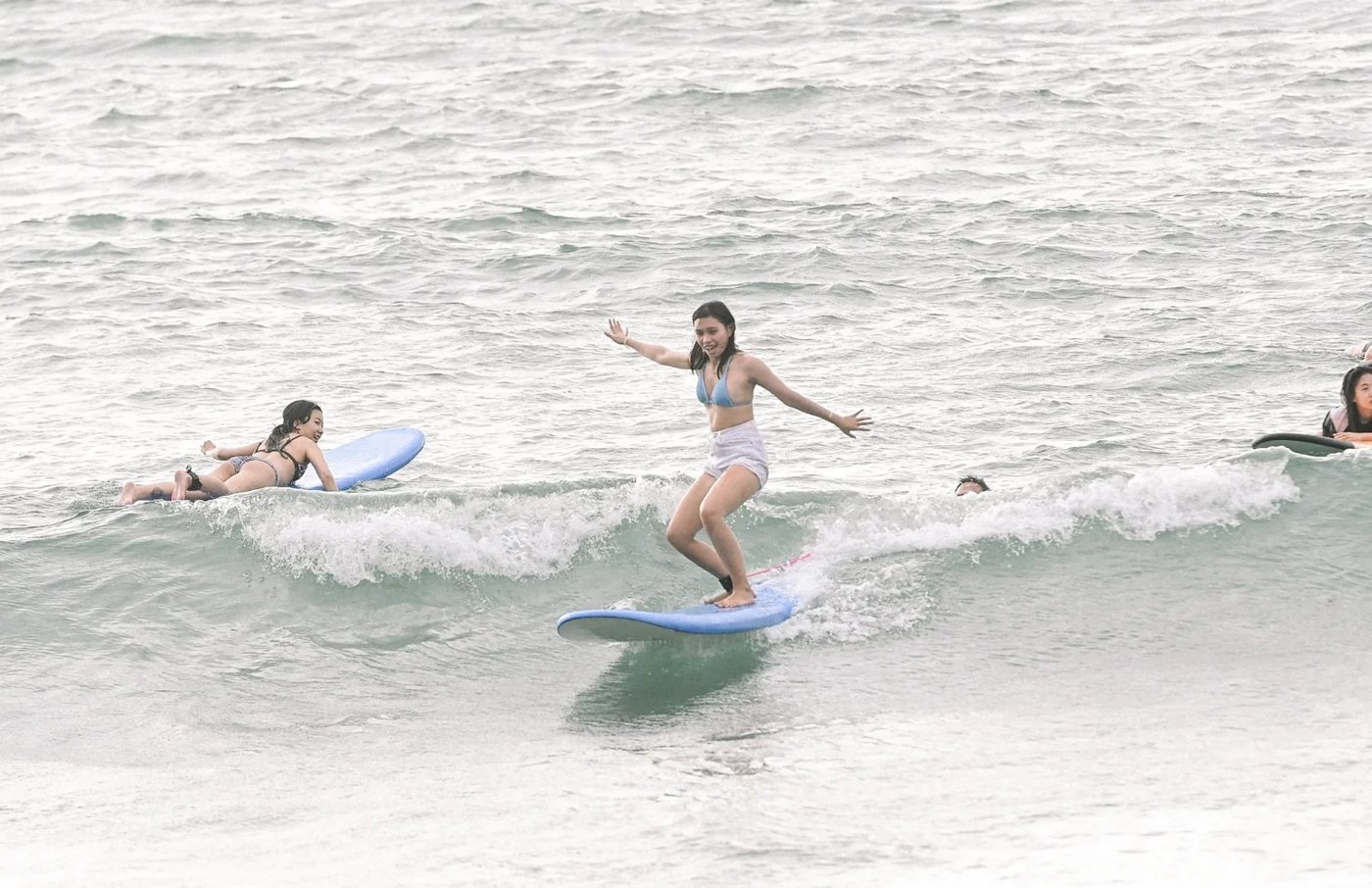
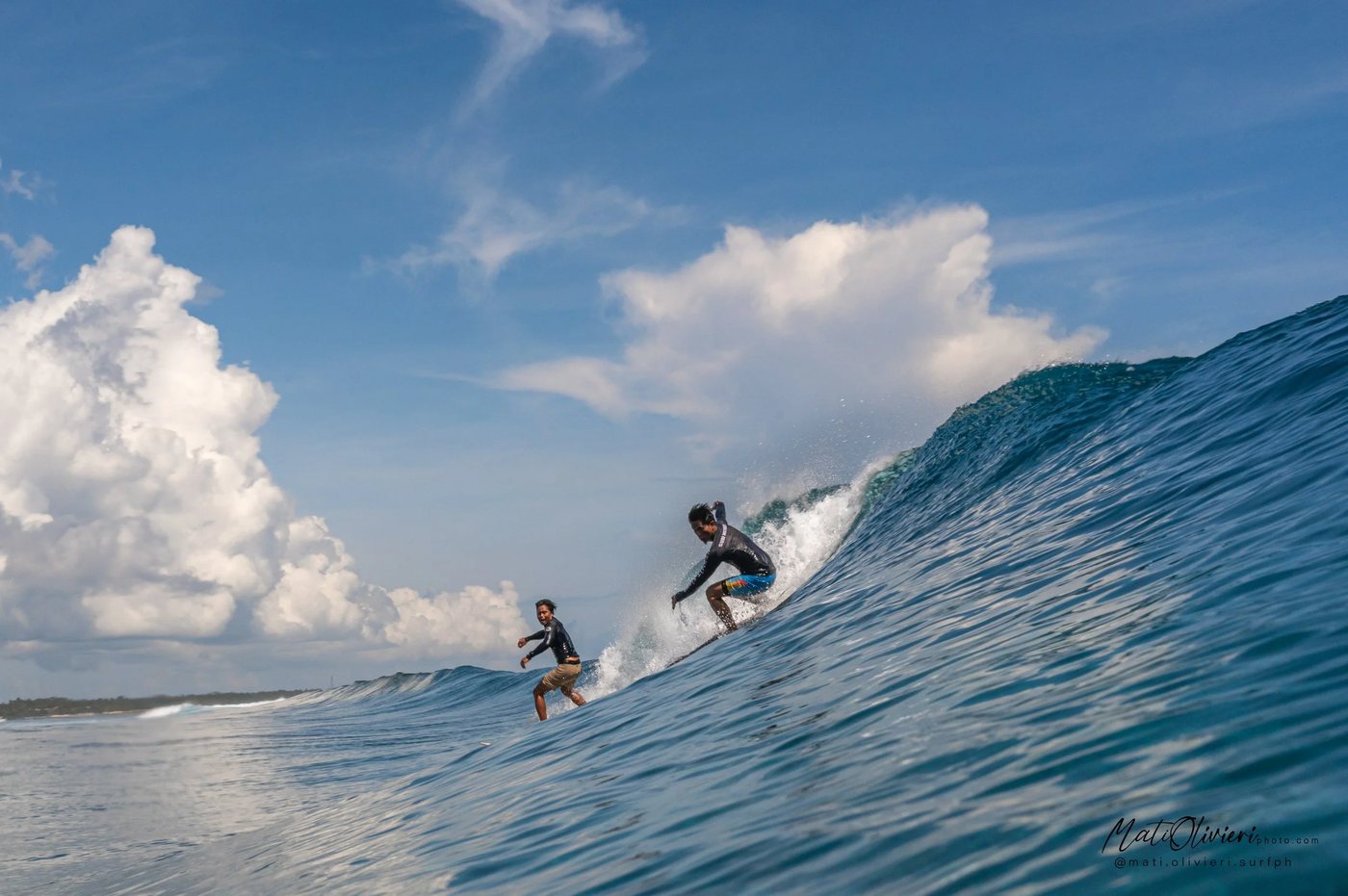
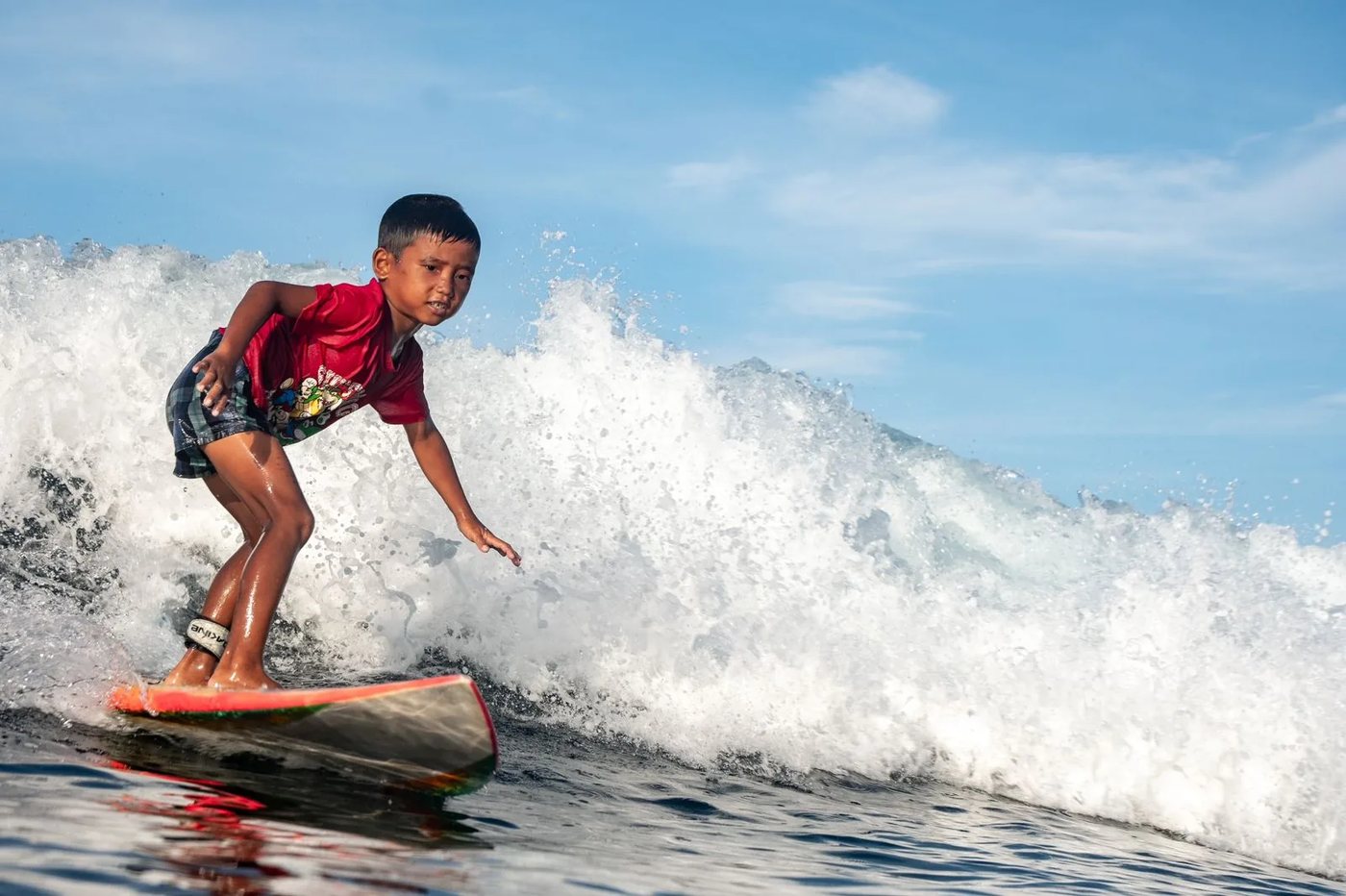
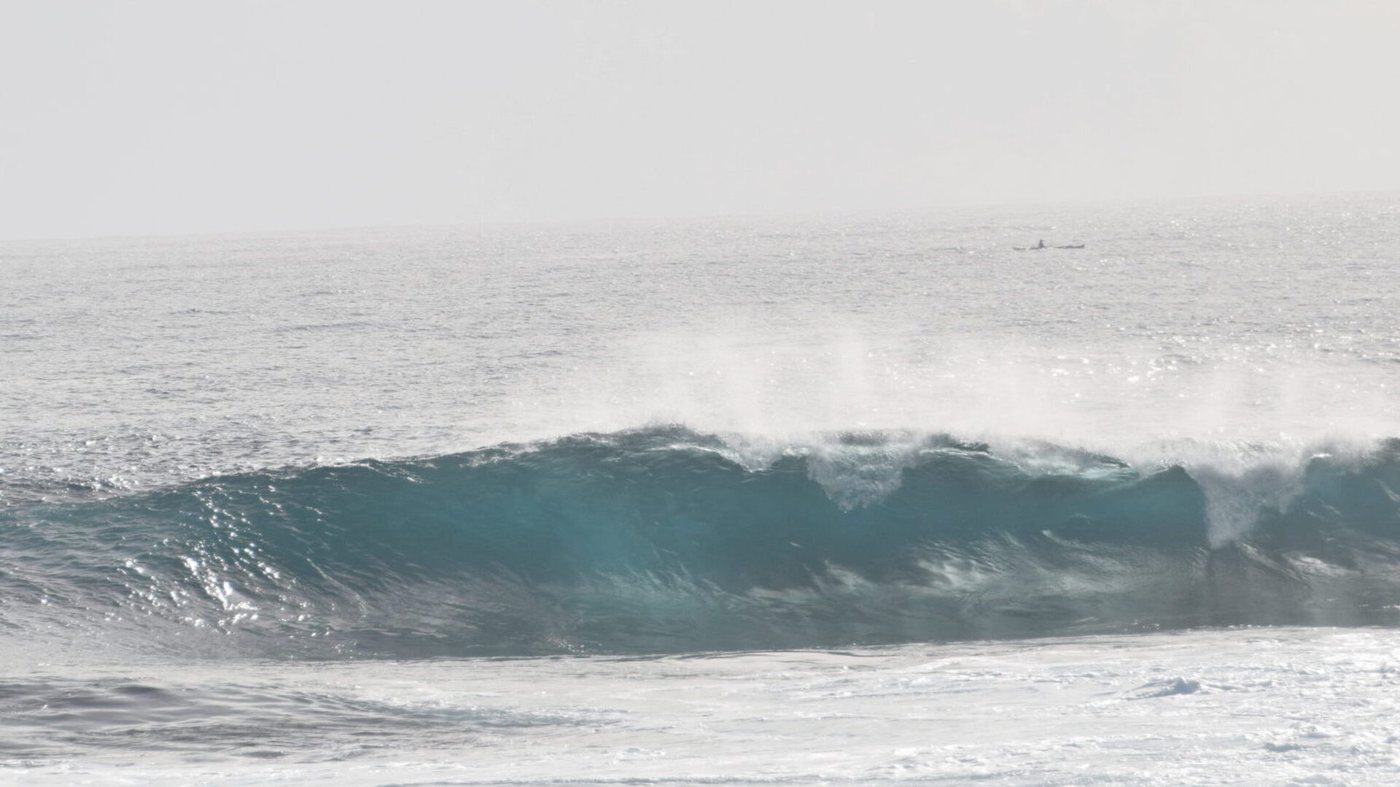
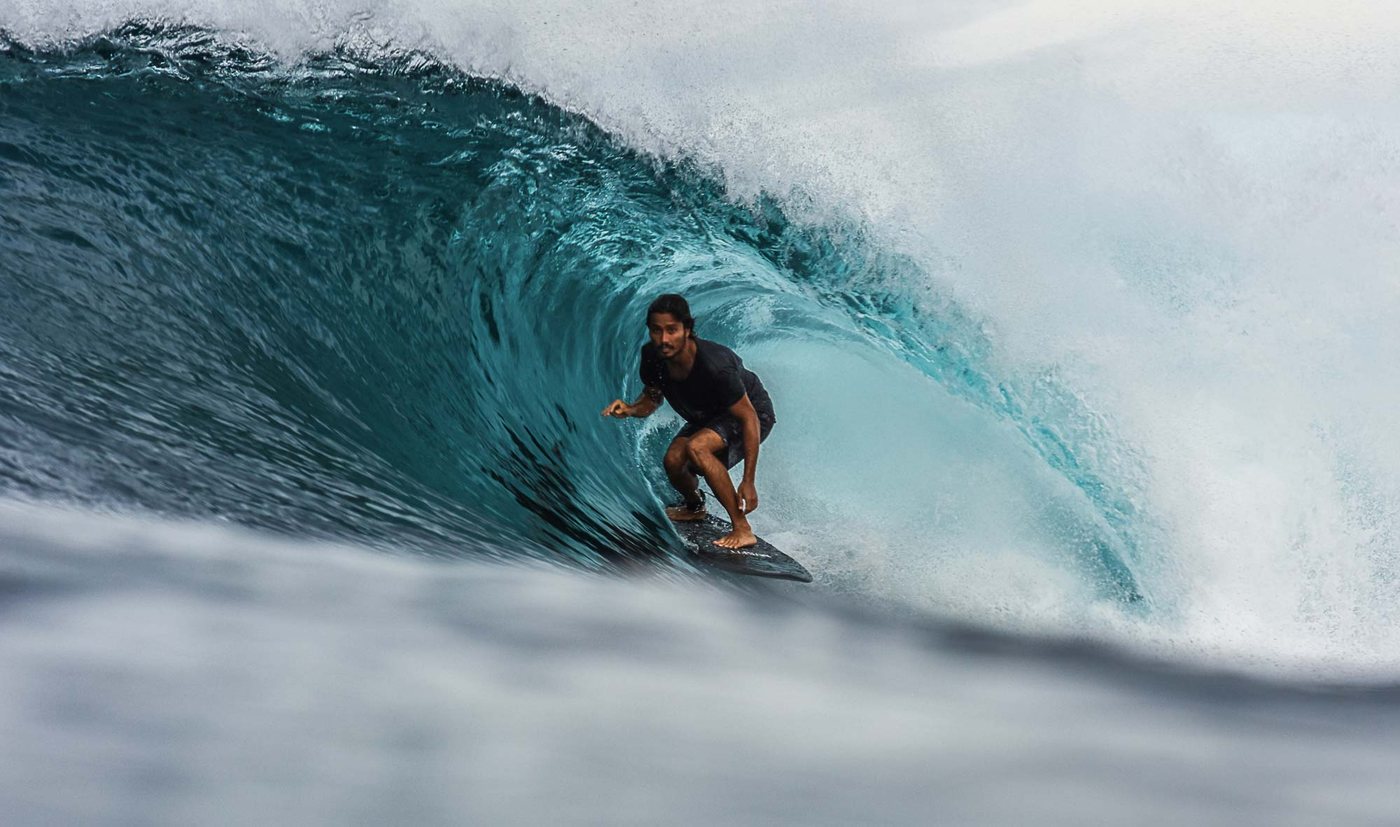
Siargao, an island off north-east Mindanao, is the country's best known surf destination. Its reef breaks around General Luna face the open Pacific, and the classic season for Cloud 9 runs from about August to November, when typhoon swells meet offshore winds. La Union, on the west coast of northern Luzon, is the main beginner hub, with a gentle beach break at San Juan that is a few hours from Manila by road. Its best season is from about October to March.
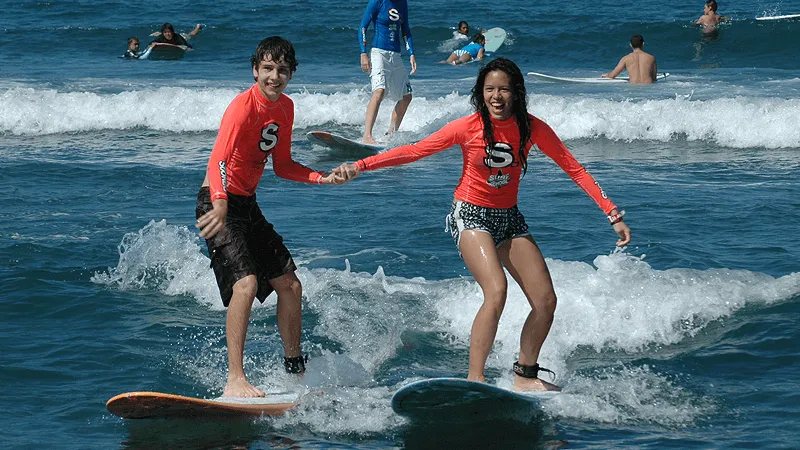
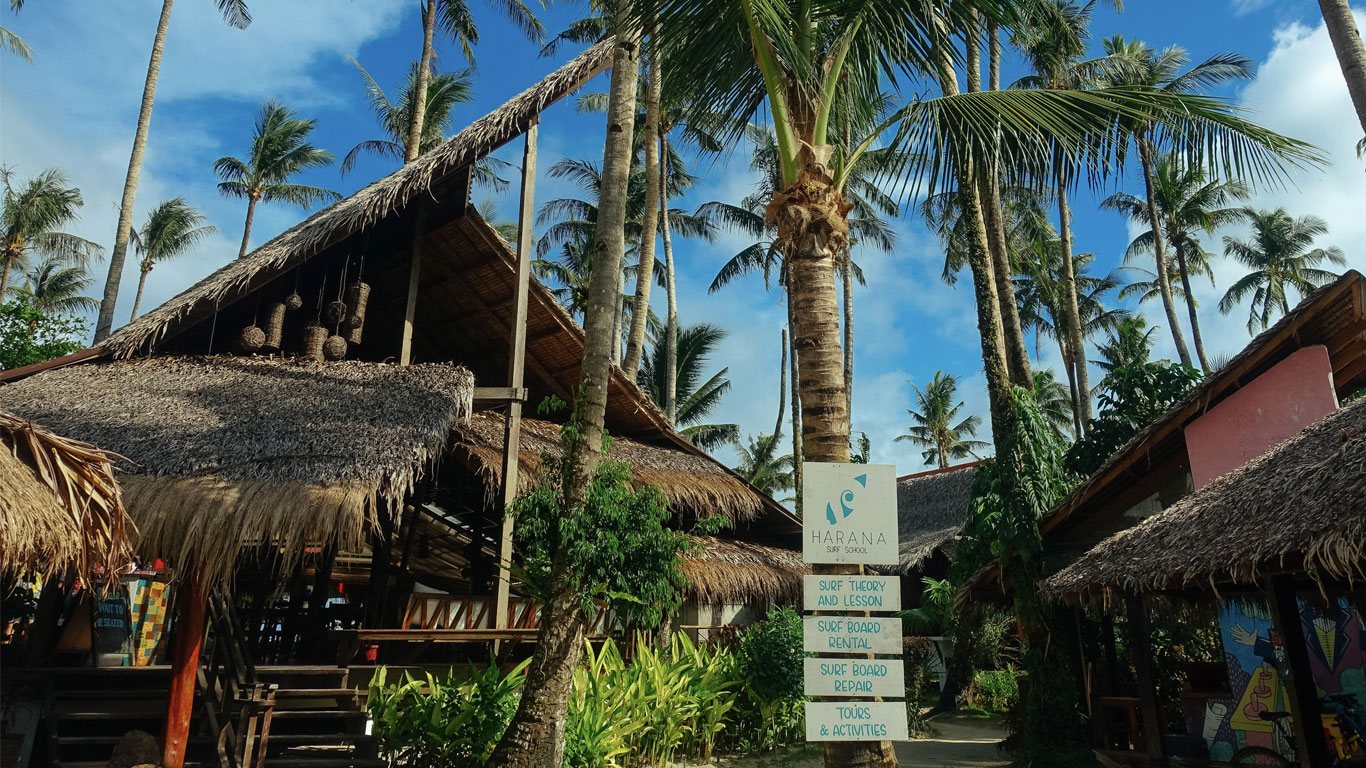
Other surf areas include Baler in Aurora, where the country's surfing history began in the 1970s, Zambales on the west coast, and Catanduanes in the Bicol region. Domestic flights from Manila and Cebu connect most surf regions, and local surf schools are often run by Filipino surfers who grew up on the breaks. Lessons are generally good value compared with other countries in the region. Browse the regions below for surf schools, camps and resorts, with notes on season and level.